Aarti
Why We Perform Aarti - and How to Do It at Home
Aarti is the glowing end of every puja. Learn what it means, what you need and a simple step-by-step way to perform aarti at home.
In almost every Hindu home and temple, puja ends the same way: a small flame is waved before the deity while everyone sings. This is aarti. The word is linked to the Sanskrit aratrika - something that removes darkness. As the lamp lights up the image of the deity, it reminds us to let the divine light remove the darkness within.
What you need
- An aarti plate (thali) with a lamp (diya) of ghee or oil, with one or five cotton wicks
- A piece of camphor (optional)
- A small bell, flowers, kumkum and rice
- Incense sticks and a little prasad
How to perform aarti at home
- Light the lamp and incense after your puja or prayers.
- Ring the bell with your left hand and hold the plate in your right.
- Move the plate in slow clockwise circles before the deity - traditionally four times at the feet, twice at the navel, once at the face and seven times around the whole form.
- Sing the aarti together with the family.
- Offer the flame to everyone present. Each person passes their palms over it and touches their eyes and head, accepting the blessing.
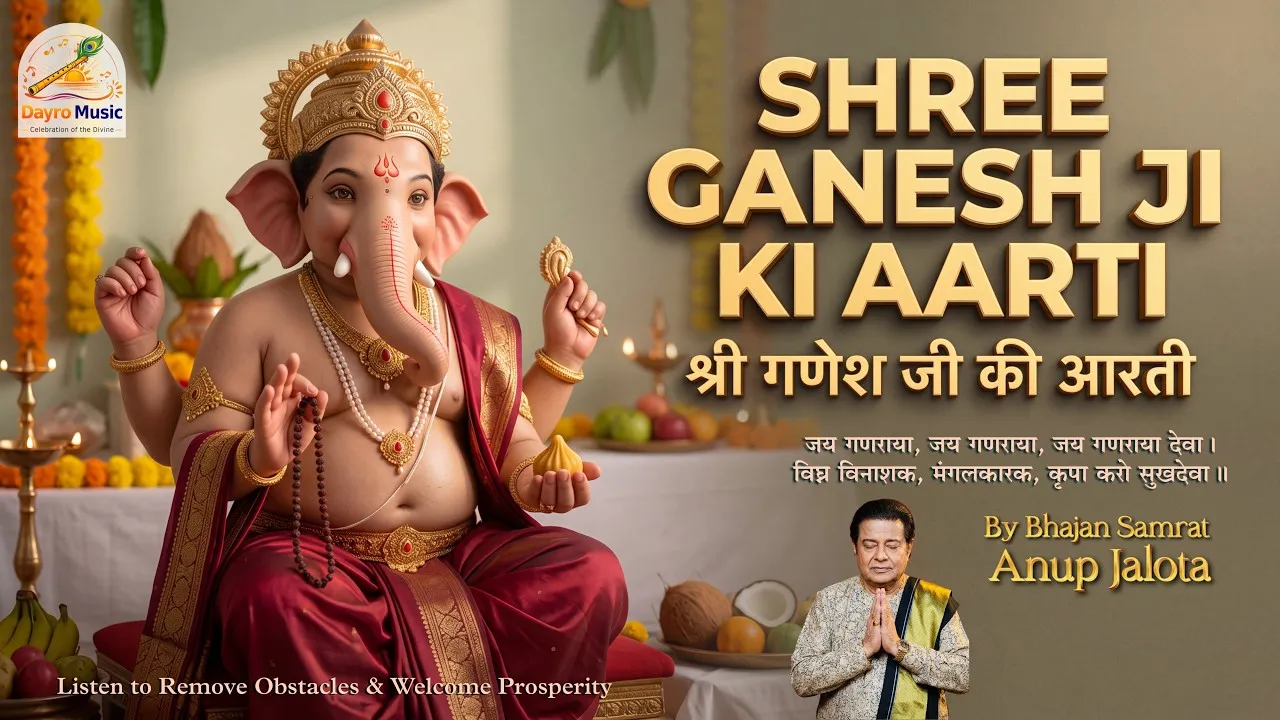
Shree Ganesh Ji Ki Aarti, sung by Bhajan Samrat Anup Jalota.
Start with Ganesh ji
Lord Ganesha is worshipped first in every ritual, so many families begin with "Jai Ganesh, Jai Ganesh, Jai Ganesh Deva". Sing along with Bhajan Samrat Anup Jalota:
Aartis for every day of the week
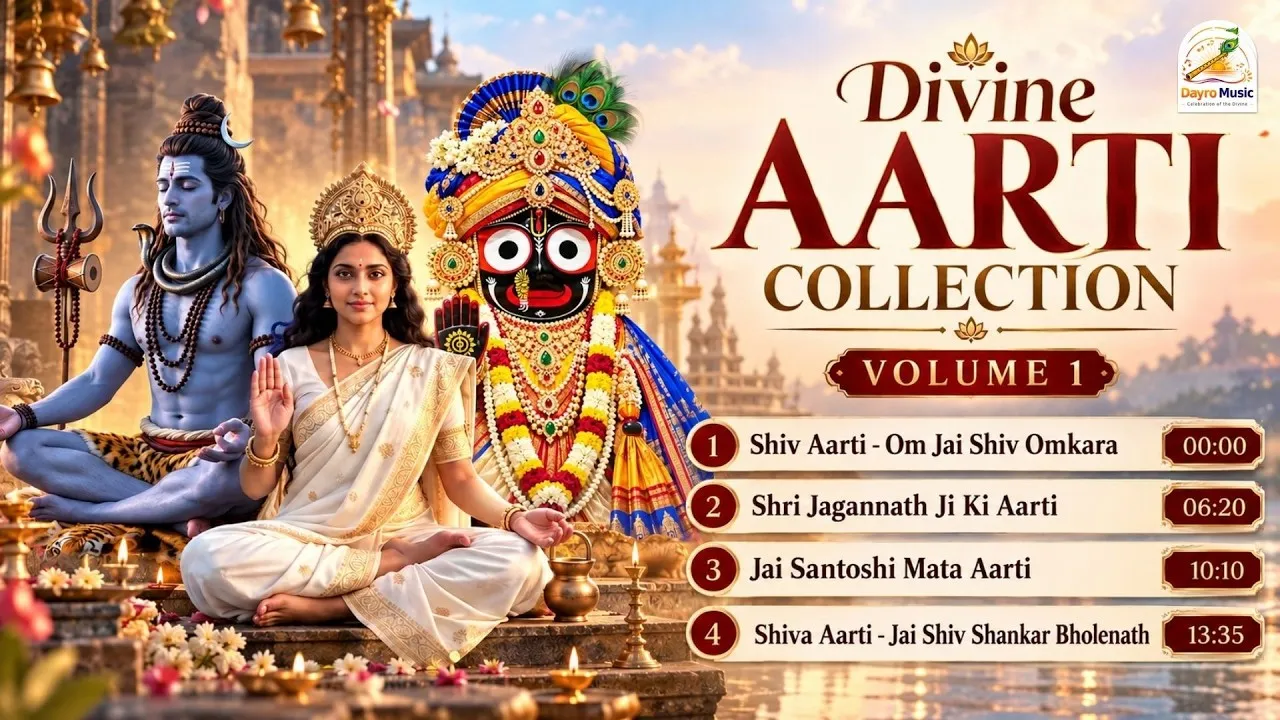
Many homes follow a weekly rhythm: Shiva on Monday, Hanuman on Tuesday, Ganesha on Wednesday, Vishnu or Sai Baba on Thursday, Santoshi Mata or Durga on Friday and Shani Dev on Saturday. Our Divine Aarti Collection brings several of these together, so the whole family can sing from one playlist.
Whatever aarti you sing, sing it with feeling. The lamp is small, but the light it brings to a home is great.